Do we, as parents, understand the meaning of participation? Or what our children think and wish for.
Child upbringing
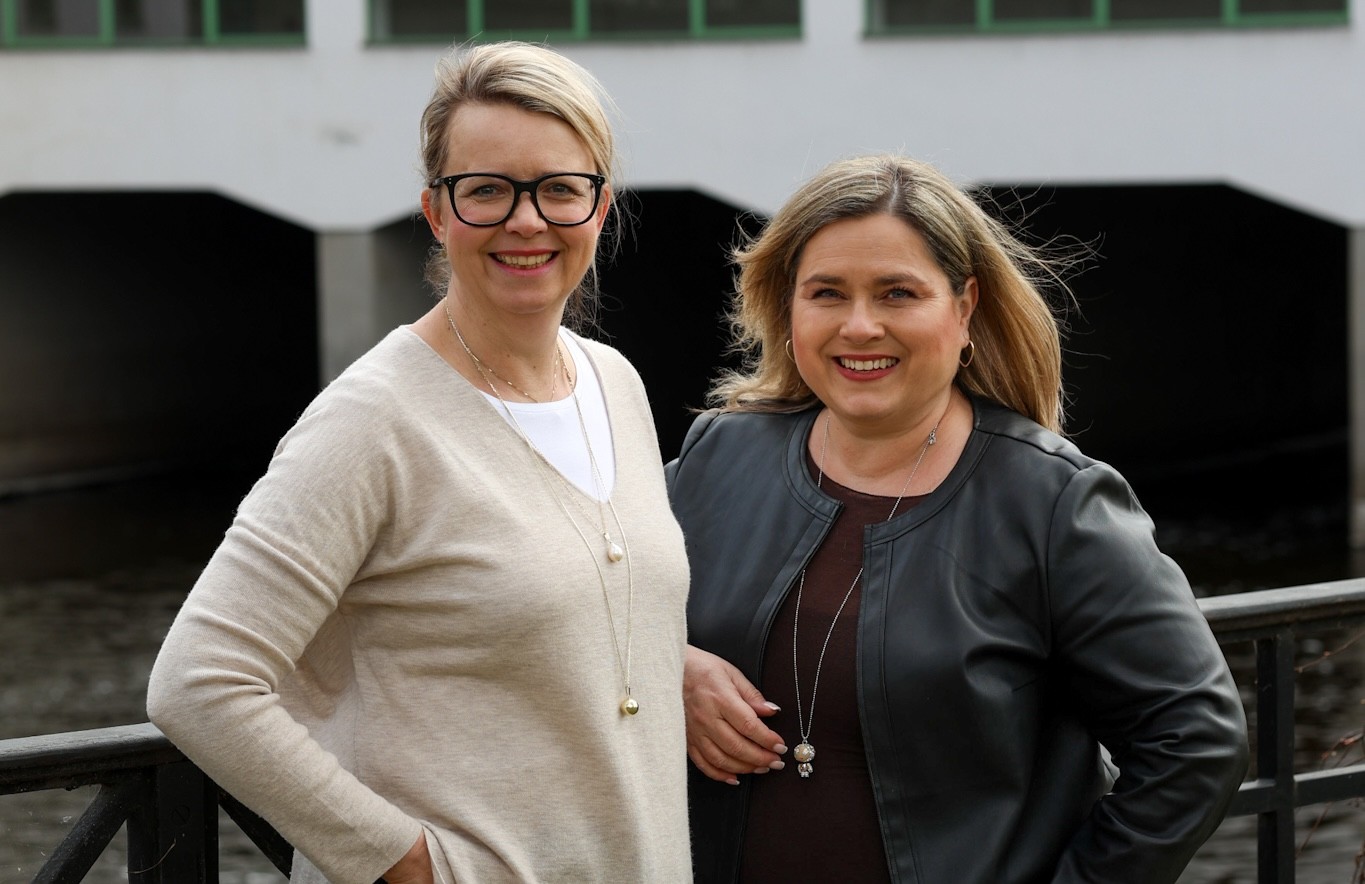
“Child participation in mediation” – that was the title of our presentation at the Family Lawyers’ Union Conference. The entire event, held in mid-May, focused on the theme “The child and their right to participation.” In addition to valuable insights from our fellow mediators and lawyers, we also took away powerful stories from real-life cases. And one main idea: raising children is up to us – the parents. The way we approach our children shapes their entire lives. In other words – it’s app2us!
Today, children have many ways to communicate. Yet it’s becoming increasingly clear that the most important one for their healthy development is the ability to speak openly with their parents. Some experts even describe the parent–child relationship as a powerful tool that can prevent crises before they arise.
Sometimes it feels like we talk to our children all the time. But let’s be honest – do we really talk about topics that matter to them? Do we try not to project our adult judgments into their answers? Do we truly listen to what they’re saying? And can we make time to talk calmly and without rushing?
Parents who genuinely talk with their children often don’t realize how crucial that is for their future relationships. To the others we say – try it! By giving your children your full attention, you’re also exercising one of your parental competences: to understand and meet their feelings, wishes, and needs through participation. Participation means that children are directly involved in decisions that concern them.
As JUDr. Daniela Kovářová, president of the Family Lawyers’ Union, rightly asked: “Do parents know that their child has the right to participate? And what does participation actually mean?” Participation is the child’s right to receive age-appropriate information. It’s the right to take part in discussions and express opinions. And it’s also the right to have those opinions taken into account by parents when making decisions. This right is even guaranteed by law – specifically, Section 875 of the Czech Civil Code.
Are you now wondering how you, as a parent, approach participation? Start by asking yourself what participation actually is – and what it is not. The generally accepted idea is that the purpose of participation is to understand the child’s feelings and wishes so that we, as parents, can make good decisions. But the goal is not to blindly fulfill every child’s wish! Here’s a simple example: in –5°C, we don’t let a child go outside in just a T-shirt and shorts. We apply parental authority and decide, because we know it’s in the child’s best interest to stay healthy. But we can let them choose which winter jacket to wear if they have several. That way, we allow the child to take part in the decision appropriate to their age.
The same principle applies to bigger decisions – for instance, school attendance. A child must go to school (parental authority), but if there are two suitable options, we ask which one they prefer (child participation). Ideally, we also discuss why they like one school better and explain the pros and cons of both options.
Similarly, children’s participatory rights are respected in court proceedings – especially when parents cannot agree. In such cases, parents should know that a child’s participatory right mainly involves the right to information that the child should receive – and that the parent should provide – in a way appropriate to the child’s age. There is also the right for the court to take the child’s opinion into account in its decision. It’s important to explain to the child that participation does not mean that the final decision will simply mirror their wishes. Instead, parents – or, in cases of separation, the relevant institutions (especially the court) – will aim to decide in a way that best meets the child’s needs and interests.
Does the thought of someone asking your child personal questions about their relationship with mom or dad sound like a nightmare? The best solution is to know your own children well enough that such questions never need to be asked. Offer your children understanding, respect, and a good example they can pass on.
Photo: Barbora Jiranová